Complete Guide to Expressway Legal Motorcycles in the Philippines 2026

Introduction: The Moment That Changes Everything
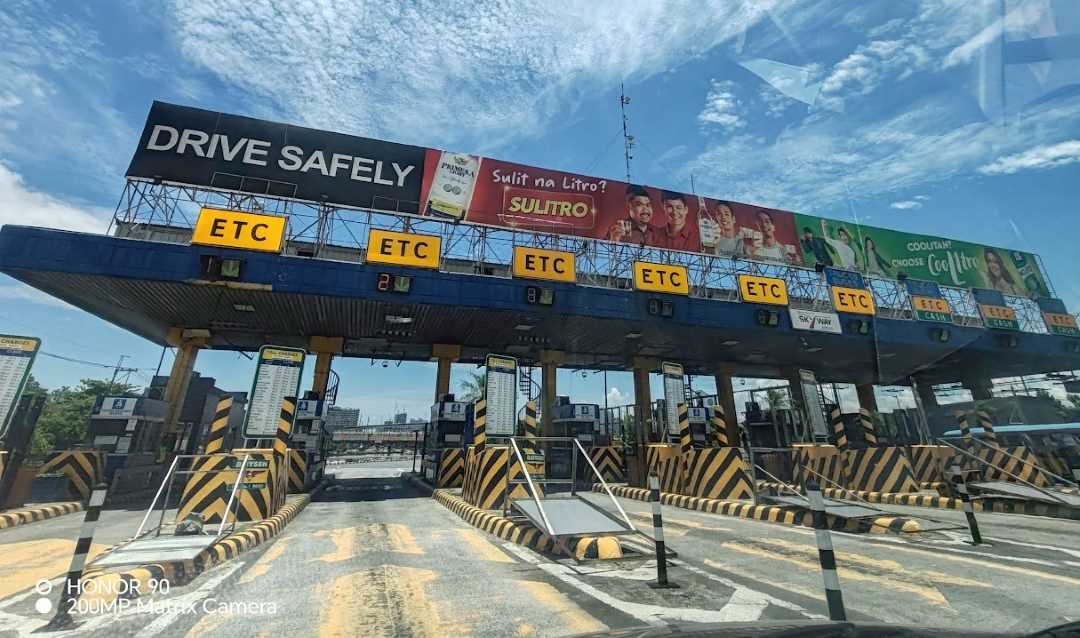
You’re sitting at the toll booth on NLEX. Your hand trembles as you roll up on your 350cc bike. The security guard glances at it, then at you—and waves you back.
“400cc minimum. No exceptions.”
You watch helplessly as bigger bikes cruise past into the expressway while you’re stuck on the service road. That moment—that frustration—is exactly why you need to understand the rules around expressway legal motorcycles in the Philippines.
Here’s the reality: Since 2008, Philippine expressways have enforced a strict 400cc minimum engine displacement rule. And in 2026, that rule isn’t going anywhere. But it’s not just about displacement. It’s about registration codes, toll classification, RFID stickers, and a whole system most riders don’t fully understand until they hit that toll booth.
This guide breaks it down—everything you need to know before you buy, everything you need to check before you ride, and which bikes actually make sense for Filipino riders right now.
Why Expressway Legal Motorcycles Matter to Filipino Riders
Here’s where it gets interesting: millions of Filipino motorcycle owners can’t legally access any of the 13 Philippine expressways. Not because of safety. Not because of skill. But because their bikes sit below a 400cc threshold that’s been unchanged for 18 years.
The expressway rules aren’t random. They exist because:
- Expressways demand speed and stability: Bikes below 400cc struggle to maintain 100 kph safely in mixed traffic, especially during lane merges
- Insurance and toll classification: The LTO groups 400cc+ motorcycles with cars and SUVs—you pay the same toll, which means you’re treated as equivalent infrastructure users
- Accident data: Smaller bikes have higher accident rates on high-speed expressways, according to LTO safety reports
But here’s the real issue: for most Filipino riders, a 300cc bike is more affordable, easier to maintain, and perfectly fine for daily city riding. The 400cc barrier isn’t about whether you’re a good rider. It’s about whether your bike meets the system’s minimum standard.
And that’s exactly why understanding expressway legal motorcycles in the Philippines matters—especially if you’re thinking about upgrading.
What Exactly Makes a Motorcycle “Expressway Legal”?
Three non-negotiable requirements:
1. Engine Displacement — 400cc Minimum (No Exceptions)
Every single Philippine expressway enforces this. All 13 of them: NLEX, SCTEX, TPLEX, SLEX, Skyway, CALAX, CAVITEX, MCX, STAR Tollway, NAIAX, NLEX Connector, and Harbor Link.
Sub-400cc motorcycles = automatic entry denial at toll plazas.
If you somehow slip through and get caught by expressway security later, the penalties stack fast:
- ₱8,000+ minimum combined fine (LTO + toll operator)
- Vehicle impoundment
- License suspension
- Mandatory driver safety seminars
The message is clear: the rule exists, and it’s enforced.
Common question: “But what about the KTM Duke 390—it’s listed as 373cc. Is that legal?”
Answer: It’s technically classified as a big bike in dealer literature and is often permitted on expressways, but it sits in a gray zone. Always verify with your dealer and the LTO before purchase. Don’t gamble on this.
2. Valid RFID Sticker (Two Systems, Two Stickers)
This is where most first-time big bike buyers get confused.
The Philippines uses two competing RFID systems—not one. Your bike needs the right sticker(s) for the expressway you’re using:
Autosweep RFID: Covers SLEX, Skyway, STAR Tollway, NAIAX, and MCX
Easytrip RFID: Covers NLEX, SCTEX, TPLEX, CAVITEX, and CALAX
If you use both expressways (north Metro and south Metro), you need both stickers.
Installation is free at toll plazas—just roll up and ask at the RFID counter.
3. LTO Restriction Code 1 on Your Driver’s License
Your motorcycle driver’s license must explicitly show Restriction Code 1 to prove you’re authorized for big bikes (400cc+).
When you register a 400cc+ motorcycle with the LTO, they automatically add this code. If you’re upgrading from a 300cc bike, you need to:
- Submit your old license
- New registration papers for your 400cc+ bike
- Pay the processing fee (usually ₱500–₱800)
- Wait 1–2 days for your new license with Code 1
Expressway security checks this. No Code 1 = no entry.
Now Here’s What Changed: Strict Enforcement in 2026
The LTO has been cracking down harder than ever. In the past two years, fines have increased from ₱5,000 to ₱8,000+, and impoundment procedures are faster.
The reason? Safety compliance and revenue consistency. Expressways are upgrading their toll monitoring systems and integrating with LTO vehicle registration databases—which means they can verify bike specs instantly.
This is where technology comes in: Toll plazas now have automated cameras that can read license plates and cross-reference them with the LTO registry. If your bike is registered as 350cc, the system flags it before you even reach the toll booth.
In other words: you can’t bluff your way through anymore.
The Complete Breakdown: Expressway Rules Every Rider Needs to Know
Lane-Splitting Is Illegal (Full Stop)
Riding between lanes of moving traffic or filtering between stopped vehicles carries:
- ₱5,000 fine
- 3-month license suspension
- Mandatory driver safety retraining seminar
This rule applies to all 13 expressways uniformly.
Speed Limit: 100 kph (Class 1 Vehicles—Same as Cars)
Motorcycles 400cc+ are classified as Class 1 vehicles, meaning:
- Same speed limit as sedans and SUVs (100 kph)
- Same toll classification (you pay Class 1 rates)
- Same lane restrictions (no special motorcycle lanes)
Exceeding this on an expressway = ₱2,000 fine minimum, plus possible license points deduction.
Toll Payment: Class 1 Rates
A 400cc motorcycle pays the same toll as a Honda Civic. On NLEX (Bulacan to Calamba), that’s ₱160–₱180 one-way, depending on distance.
This is one reason bigger bikes make sense for expressway use—if you’re paying Class 1 tolls, you might as well have a bike that handles Class 1 speeds and traffic safely.
Weather Restrictions
Some expressways (especially Skyway and SLEX) have restricted operations during heavy rain or flooding. Motorcycles are sometimes outright banned during Code Red weather warnings. Check the NLEX/TRB traffic advisory before you ride.
The Best Expressway Legal Motorcycles by Budget: 2026 Edition
Now here’s the real question: which 400cc+ bike should you actually buy?
The answer depends on three things:
- Budget
- Daily use (commute, weekend, long trips?)
- Long-term cost (fuel, maintenance, insurance)
Here’s the complete breakdown:
Under ₱300,000 — The Entry Point
These are the bikes that make the jump from 300cc most accessible:
| Model | Displacement | Starting SRP | Fuel Economy | Best For |
|---|---|---|---|---|
| CFMoto 400NK | 400cc | ~₱250,000 | 35 km/L | Budget-conscious first big bike |
| Kawasaki Ninja 400 | 399cc | ₱263,952 | 32 km/L | Sporty styling on a budget |
| Royal Enfield Classic 350 | 349cc* | ~₱240,000 | 40 km/L | Retro style (verify expressway legality) |
| Yamaha YZF-R3 | 321cc* | ~₱280,000 | 35 km/L | Sport bike feel (below 400cc threshold) |
Important caveat: Royal Enfield and Yamaha models listed are below 400cc. While they’re marketed as “big bikes,” always confirm with your dealer and the LTO before committing. Don’t assume. Verify.
₱300,000–₱500,000 — The Sweet Spot (Best Value)
This is where the real options open up. These bikes balance power, reliability, fuel economy, and long-term resale value:
| Model | Displacement | Starting SRP | Fuel Economy | ABS Standard? | Best For |
|---|---|---|---|---|---|
| Kawasaki Ninja 650 | 649cc | ~₱380,000 | 28 km/L | Yes | Everyday expressway use |
| Honda CB500X | 471cc | ~₱450,000 | 32 km/L | Yes | Adventure + commute hybrid |
| Honda CBR500R | 471cc | ~₱430,000 | 32 km/L | Yes | Sport styling with practicality |
| Triumph Speed 400 | 399cc | ~₱290,000 | 32 km/L | No | Retro character, efficient |
| Suzuki GSX-S750 | 749cc | ~₱520,000 | 24 km/L | Yes | Aggressive styling, smooth |
Why the Kawasaki Ninja 650 wins this bracket: It’s the benchmark for Filipino big bike riders. Balanced power delivery, proven reliability, excellent resale value, and enough refinement to handle 100+ kph expressway speeds without fatigue.
If you’re buying your first 400cc+ bike for expressway use, this is the safest choice.
₱500,000 and Above — Premium, Adventure, and Touring
These aren’t just bigger bikes—they’re lifestyle choices:
| Model | Displacement | Starting SRP | Key Feature |
|---|---|---|---|
| Honda CRF1100L Africa Twin | 1084cc | ~₱950,000 | Best-in-class for long-distance touring |
| BMW R 1250 GS | 1254cc | ~₱1,200,000+ | Premium adventure tourer |
| Kawasaki Versys 650 | 649cc | ~₱520,000 | Sport-touring practicality |
| Ducati Monster | 937cc | ~₱700,000 | Pure character and Italian engineering |
| Harley-Davidson Street 750 | 749cc | ~₱650,000 | Cruiser culture |
The Honda Africa Twin dominates this segment in the Philippines because it handles everything—Manila traffic, expressway speeds, and weekend mountain runs—with genuine capability.
First-Time Big Bike Buyer Checklist
Before you hand over cash and ride off on your expressway legal motorcycle:
- ✅ Confirm displacement is 400cc or higher — Check the official spec sheet from the manufacturer, not just dealer marketing
- ✅ Get LTO Restriction Code 1 — You’ll need this added to your driver’s license (takes 1–2 days)
- ✅ Install the correct RFID sticker — Autosweep, Easytrip, or both depending on which expressways you’ll use
- ✅ Verify CTPL insurance is valid — Comprehensive Third-Party Liability is mandatory; expressway patrols check this
- ✅ Renew your LTO registration before it expires — Expired registration = ₱10,000 fine + impoundment
- ✅ Wear a full-face or modular helmet — Open-face helmets are not recommended at 100+ kph expressway speeds
- ✅ Do a pre-ride safety check — Brakes, tires, lights, mirrors; expressway riding is unforgiving
All 13 Philippine Expressways Open to 400cc+ Motorcycles
These are the only routes where your 400cc+ bike is guaranteed legal entry:
North/West Metro: NLEX · NLEX Connector · SCTEX · TPLEX · CAVITEX · CALAX
South/East Metro: SLEX · Skyway Stage 1, 2, 3 · MCX · STAR Tollway · NAIAX · Harbor Link
Total expressway network: Over 600 km of high-speed corridors, all accessible to you once your bike is registered and your license is updated.
MotoPatrol Insight: Why This Matters in the Philippine Context
Here’s what most articles miss: the 400cc rule isn’t just a vehicle restriction. It’s a window into how the Philippines regulates transportation infrastructure.
Since 2008, when LTO Administrative Order 2008-15 set the 400cc standard, the rule has remained unchanged despite massive growth in the motorcycle market. Why? Because the regulation is tied to international road safety standards, not to local preferences.
But here’s the Filipino reality: riders below the 400cc threshold are pushed into informal networks—using service roads, paying tolls at manual lanes (which are slower), or avoiding expressways entirely and riding city streets. It’s not safer. It’s just different.
The stricter enforcement in 2026 reflects the LTO’s push toward unified vehicle registration systems. Soon, toll plazas won’t just check your license—they’ll verify your bike’s specs in real-time through integrated databases.
What this means for you: Technology is making the expressway rules harder to work around. If you’re thinking about upgrading, skip the 300cc class entirely. Go straight to 400cc or above. The Kawasaki Ninja 650 and Honda CB500X are the two most practical, affordable choices for Filipino riders making their first big bike purchase in 2026.
The system isn’t adjusting to you. You adjust to the system. But when you do, the expressway opens up.
Final Thoughts: The Road Ahead
That moment at the toll booth—waiting while other riders pass—doesn’t have to be your story.
An expressway legal motorcycle in the Philippines isn’t just a purchase. It’s permission. Permission to access infrastructure that saves you hours every week, permission to ride the routes everyone else rides, and permission to be part of the road system instead of excluded from it.
The rules are strict. The enforcement is real. But the pathway is clear.
If you’re ready to make the jump to a 400cc+ bike, start with research (use our Motorcycle Loan Calculator to explore what monthly payments would look like), verify the displacement with your dealer in writing, and plan for the LTO registration process.
By the time you reach that toll booth, everything will already be in order.
You won’t hesitate. You won’t wait. You’ll just ride through.
Sources
- LTO Administrative Order 2008-15 — Philippine Land Transportation Office official vehicle classification standards
- LTO Official Website — Current motorcycle registration and licensing requirements: https://www.lto.gov.ph/
- Philippine Expressway Operators Association — Toll classifications and vehicle restrictions: https://www.nlex.com.ph/


Leave a Comment